
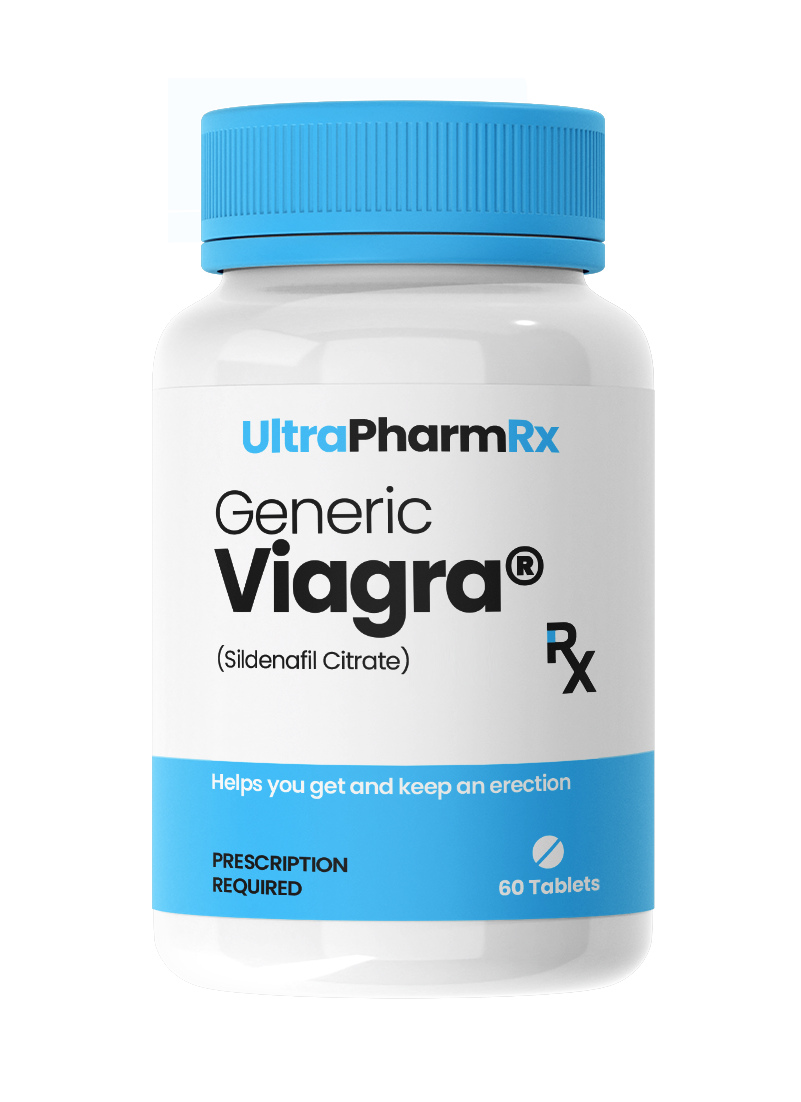
Most people assume a generic pill is just a cheap imitation, but in pharmacology, it’s often the exact same molecule as the brand name. You’re essentially paying for a “name” rather than a different chemical structure. Once a drug’s patent expires, the recipe becomes public, and other companies are free to manufacture the same active ingredient.
This shift changes the math for the consumer. You stop paying for massive advertising budgets and original research costs and start paying for the raw material itself. It’s a move from paying for a brand to paying for chemical utility. For many, this is the difference between a prescription that feels like a luxury and one that’s just a standard part of a healthcare routine.
Switching to generics doesn’t happen overnight, though. There’s a series of regulatory hurdles to jump to ensure the generic behaves in the body the same way the original did. The goal is to strip away the marketing while keeping the medicine intact. To understand why this matters, you have to look at what’s actually inside the tablet.
Is the generic version as effective as the original?
Yes. The active ingredient in generic sildenafil is chemically identical to the sildenafil in brand-name Viagra. Your body doesn’t care if the molecule came from a multi-billion dollar lab or a generic manufacturer. The way it works, how it interacts with enzymes to increase blood flow, remains the same regardless of the box it comes in.
The real difference is in the excipients. These are the inactive ingredients like fillers, binders, and coatings that hold the pill together. While the active drug is a constant, the “package” around it can change. Some people find that a different shape or a slightly different color affects how they perceive the medication, even if the chemical result is identical.
Think of it like white sugar versus organic cane sugar. They both sweeten your coffee and have the same caloric impact, even if one looks different or costs more per gram. Regulators try to ensure these inactive ingredients don’t interfere with how your body absorbs the drug. If the absorption rate stays within a specific window, it’s considered bioequivalent.
David, a regular user for several years, once mentioned his generic tablets were smaller and more oblong than his brand-name ones. He worried the smaller size meant less potency. His doctor confirmed the dosage was identical by weight; the change in shape was just the result of a different manufacturing process for the coating.
Will the side effects change when I switch?
You might experience the same side effects, but you could also see new ones due to those inactive ingredients. Because generic manufacturers use different binders or dyes, someone sensitive to a specific food coloring in a brand-name pill might find the generic version easier to tolerate, or vice versa. It’s a common quirk in pharmacology.
Common side effects usually involve headaches, flushing, or indigestion. These come from how sildenafil interacts with your vascular system, so since the active chemical is the same, these primary effects shouldn’t change. If you notice a sudden, new reaction after switching, it’s likely a reaction to a filler rather than the sildenafil itself.
The following table compares the general experience of switching from brand to generic:
| Feature | Brand Name | Generic Version |
|---|---|---|
| Active Ingredient | Sildenafil Citrate | Sildenafil Citrate |
| Physical Appearance | Specific shape/color | May vary by manufacturer |
| Absorption Rate | Standardized | Must be bioequivalent |
| Price Point | Higher | Lower |
It helps to keep track of any new sensations when you make the switch. If you notice persistent stomach upset that wasn’t there before, check the “inactive ingredients” list on the bottle. Most of the time, the transition is so smooth you won’t notice a thing except for your bank account balance.
How do manufacturers ensure quality?
Quality control is why the generic market doesn’t descend into chaos. Regulators require every generic batch to meet strict standards for purity and strength. They don’t just check that the pill contains the drug; they check that it’s free of harmful impurities and breaks down in the stomach at the expected speed.
Manufacturers have to prove “bioequivalence.” They must demonstrate through testing that the drug enters the bloodstream at a similar rate and reaches a similar concentration as the brand-name version. It’s a high bar. A company can’t just grab a handful of powder and press it into a pill; they have to follow a validated, repeatable process.
This oversight is why you can buy Viagra from Pianca Pharmacy or other reputable sources with a reasonable expectation of safety. These rules prevent a “wild west” scenario where potency varies wildly from one pill to the next. While brand names carry a sense of prestige, generics carry the weight of these standardized testing requirements.
Stability testing is also part of the process. They need to know the pill won’t degrade on a shelf in a humid warehouse. They test how the medication holds up over months or years to ensure that what you take today is as strong as what was manufactured six months ago. This is why generic medications can be trusted for long-term use.
Are there any reasons to stick with the brand name?
The main reason to stick with a brand name is predictability in appearance and texture. If a patient has a psychological aversion to changing their routine, the brand name offers continuity. Some people find that the “ritual” of taking a specific blue, diamond-shaped pill is part of their mental preparation, and changing that could feel disruptive.
There’s also the matter of rare allergies. As mentioned, the fillers matter. If someone has a confirmed allergy to a specific starch or dye used by a generic manufacturer, they might need to stick to a specific brand that uses different inactive ingredients. For most people, though, this is a niche concern.
- Consistency of appearance: Brand names have a fixed look.
- Psychological comfort: The familiarity of the original pill.
- Specific excipients: Avoiding unique fillers used in certain generics.
- Cost-to-benefit ratio: Deciding if the “brand” is worth the extra expense.
For most, the decision is purely economic. If the medication works, the “brand” becomes an unnecessary luxury. The goal of medicine is to solve a physiological problem; if the generic solves it just as effectively, the brand name is essentially just an expensive label on a box.
How can you tell if a generic is reliable?
Reliability is tied to how you get your medication. Look for manufacturers that are well-regulated and follow standard pharmaceutical protocols. Avoiding “no-prescription, no-questions-asked” websites is the first rule of staying safe. Those sites often operate outside the oversight that ensures generic drugs are actually what they say they are.
When you get your prescription filled, ask your pharmacist about the manufacturer. Many pharmacies stock several different generic versions. If you find one brand of generic that works perfectly for you, you can ask the pharmacist to try to stay with that specific manufacturer. This prevents “pill hopping” that can occasionally cause minor digestive differences.
Checking the expiration date and the packaging is also vital. A pill that is crumbling or discolored is a sign it has been stored improperly. Proper storage, cool, dry, and away from direct sunlight, is essential for maintaining the chemical stability of the sildenafil. Even a generic needs proper storage to remain effective.
The best way to ensure reliability is to use a licensed pharmacy. This guarantees the medication went through the necessary regulatory checkpoints. It’s the difference between buying medicine from a reputable professional and buying a mystery substance from a stranger on the internet.
A common doubt remains: “If it’s the same, why is it so much cheaper?” The answer is simple: competition. When one company holds a monopoly, they can set a high price to recoup research costs. Once the patent expires and many companies can make the same pill, the price is driven down by the market. You aren’t paying for a miracle; you are paying for a commodity, and commodities are always cheaper when there is plenty of supply.
Common questions
What is generic Viagra medication?
Generic Viagra is a cost-effective version of the brand-name drug Sildenafil, containing the same active ingredient used to treat erectile dysfunction.
Is generic Viagra as effective as the brand-name version?
Yes, generic Sildenafil is required by law to have the same active ingredient, strength, and efficacy as the original brand-name medication.
How much can I save by choosing generic Viagra?
Generic medications are typically significantly cheaper than brand-name drugs because they do not require expensive marketing or research costs.
What are the side effects of generic Viagra?
Common side effects include headaches, flushing, indigestion, and nasal congestion, similar to those experienced with brand-name Sildenafil.
Do I need a prescription to buy generic Viagra?
Yes, because Sildenafil is a prescription medication, you must consult a healthcare provider to obtain a valid prescription.