
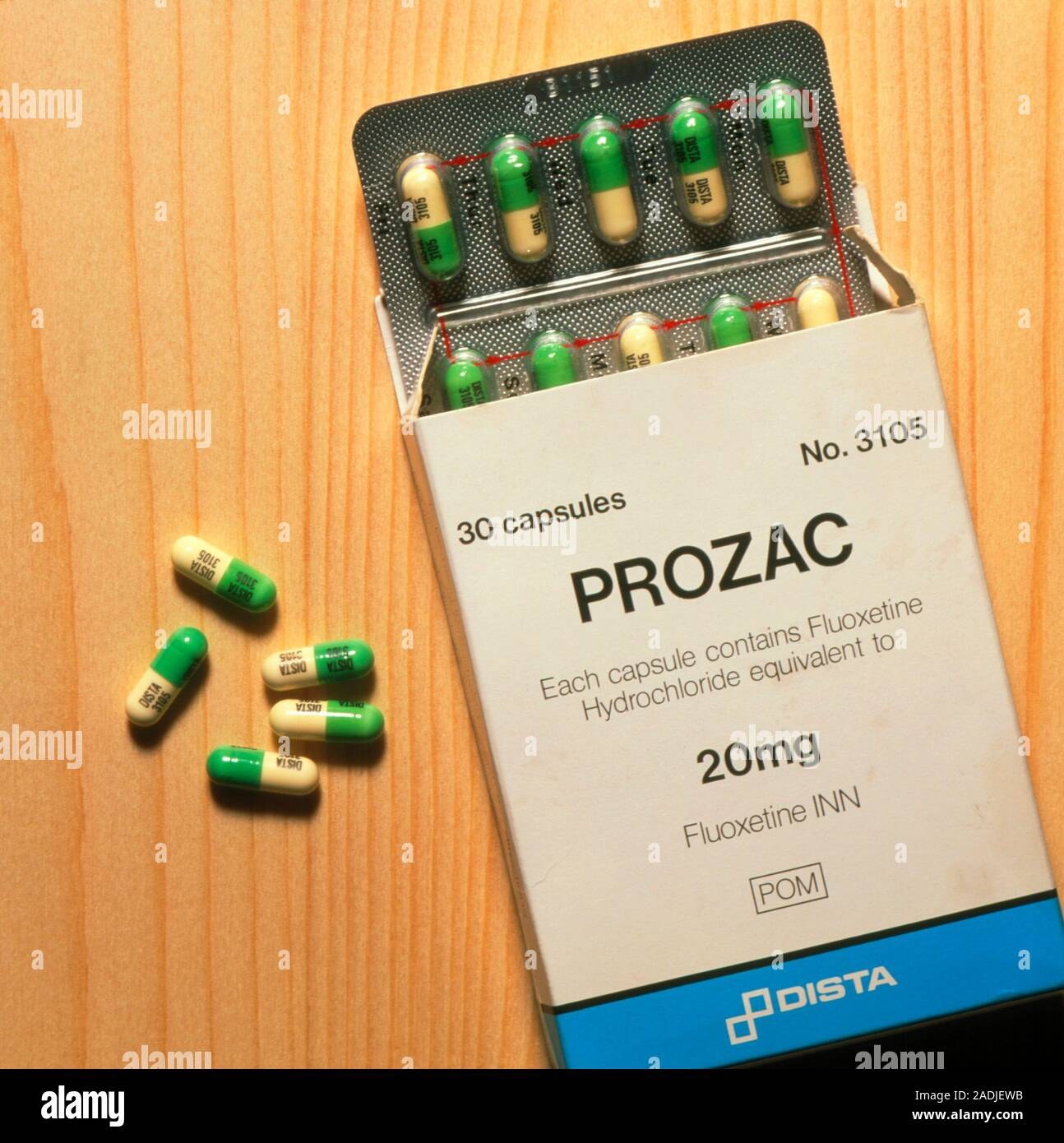
A single pill can stay in your bloodstream for weeks. That’s a level of biological persistence most other medications just don’t have. This long half-life is what defines fluoxetine, the actual chemical compound behind the brand name Prozac. While many antidepressants clear out of your system relatively quickly, this molecule lingers, which provides a built-in buffer if you happen to miss a dose.
Basically, Prozac is a selective serotonin reuptake inhibitor (SSRI) used for depression, anxiety, and certain eating disorders. It works by increasing serotonin availability in the brain’s neural pathways, helping to regulate mood, sleep, and appetite. Don’t expect immediate relief, though; it takes weeks of consistent use to actually change brain chemistry.
What exactly happens inside the brain when you take it?
The brain communicates using a complex system of chemical messengers. Serotonin is one of those messengers. People often call it the “feel-good” chemical, but that’s a simplification. It helps manage everything from emotional stability to how you process pain and sleep cycles.
In many people dealing with depression, the communication between neurons isn’t efficient. Serotonin gets sucked back up into the sending neuron before it can deliver its message to the receiving neuron. This is called reuptake. It’s a bit like a vacuum cleaner working too fast on a dusty floor, sucking up the particles before they can actually settle.
Fluoxetine acts as a blocker for that vacuum. By inhibiting reuptake, it ensures more serotonin remains in the synaptic gap. This higher concentration allows for more consistent signaling between nerve cells. It doesn’t manufacture happiness out of thin air, but it provides the chemical infrastructure needed for the brain to maintain a more stable mood.
Patients don’t usually describe the feeling as a sudden “up.” Instead, many say it feels like a lifting of a heavy fog. It is the difference between walking through waist-deep mud and walking on firm ground. The world doesn’t suddenly turn bright pink, but the obstacles feel less impossible to overcome.
Why is the name Prozac different from fluoxetine?
It’s just the difference between a brand and a molecule. Think of it like the relationship between Kleenex and facial tissue. One is a specific product from a company, while the other is the actual substance. Fluoxetine is the generic name, and that is what is actually inside the capsule or tablet.
When doctors write a script, they might use “fluoxetine” to save money or follow generic protocols. Still, many people call it Prozac because the brand name became a household term. This happened because the drug was one of the first widely available SSRIs to get massive public recognition.
The chemistry is the same regardless of the name on the bottle. Whether you’re taking the brand-name version or the prozac farmaco generic, the active ingredient is identical. The differences usually show up in the inactive ingredients, like dyes, fillers, or coatings used to make the pill look a certain way or stay stable on a shelf.
Consistency matters here. If you start on a brand-name version, switching to a generic can sometimes cause slight fluctuations in how you feel, though most people don’t notice. The main goal is keeping a steady level of the drug in your system, which is why physicians often advise sticking to one specific manufacturer.
How does the long half-life change the way it’s taken?
Most antidepressants have a short half-life. If you miss a dose of a different SSRI, you might deal with “brain zaps” or irritability by the next morning. Fluoxetine is different. It stays in your system for a very long time, even after you stop taking it.
This duration is a double-edged sword. On the plus side, it’s a safety net. If you forget a dose on a Tuesday, you might not notice a change in your mood until Thursday. This makes it very forgiving for people with chaotic lives or irregular schedules.
The downside? If you have a bad reaction, it doesn’t leave your system overnight. It takes a while for levels to drop, even after you stop the pills. This is why doctors are cautious when tapering someone off this medication; the body needs time to adjust to the chemical slowly disappearing.
Take David, for example. He’s a high-school teacher who often forgets his pills during a busy grading week. Because fluoxetine lingers, his mood remains stable despite the occasional missed dose. He doesn’t get the sudden “crash” that his friend experiences when she misses a single pill on a different medication.
It requires patience. The drug is slow to start and slow to leave.
What are the common ways this medication differs from others?
Not all antidepressants work the same way. While fluoxetine is an SSRI, other drugs target different chemicals like norepinephrine or dopamine. Some are designed to be sedating to help with insomnia, while others are more stimulating for people who feel lethargic.
Fluoxetine tends to be on the more activating end of the spectrum. Doctors often choose it for people whose depression involves fatigue or excessive sleeping. It provides a bit of a nudge. Because it stays in the body so well, it is also frequently used to help people taper off other, more difficult drugs.
The following table shows how fluoxetine compares to other common antidepressant classes regarding their general characteristics.
| Drug Class | Primary Target | Common Effect Profile | Typical Half-Life |
|---|---|---|---|
| SSRI (e.g., Fluoxetine) | Serotonin | Generally neutral or activating | Very Long |
| SNRI | Serotonin & Norepinephrine | More stimulating/energizing | Short to Medium |
| Tricyclics (Older) | Multiple Neurotransmitters | Often sedating | Variable |
| NDRI | Dopamine & Norepinephrine | Highly activating/Focus-oriented | Short |
Choosing between these isn’t a one-size-fits-all process. A doctor looks at whether a patient struggles more with anxiety (which might require something calming) or lethargy (which might require something activating). Fluoxetine sits in a unique middle ground where its long-term presence provides a steady, reliable baseline for many.
Some people find the activating nature of the drug leads to jitters or trouble sleeping if they take it too late in the day. It’s a common complaint. Taking it in the morning is standard advice to avoid that mid-afternoon restlessness that can mess with your sleep cycle.
Will this medication change my personality?
This is probably the most common fear for anyone considering psychiatric medication. There is a huge myth that antidepressants turn people into “zombies”—that they strip away emotion and leave you in a gray, flat existence. For most, the reality is the opposite.
The goal isn’t to change who you are, but to remove the symptoms that keep you from being yourself. If depression makes you feel like a shell of a person, the medication is meant to bring back the person buried under those symptoms. It’s about restoring a baseline, not creating a new identity.
However, some users do report “emotional blunting.” This isn’t universal, but it can happen if the dose is too high or the medication isn’t the right fit for your specific brain chemistry. It feels less like being happy and more like feeling “nothing” when something sad or happy happens. That is a subtle but important distinction.
If you feel like you’re losing your edges, it usually means the dosage needs an adjustment or the chemical approach needs to change. The medication should be a tool to help you navigate the world, not a veil that hides it. If the fog becomes a wall, the treatment plan needs a second look.
The fear of being “not myself” is valid, but it’s often a fear of the side effects rather than the drug itself. When it works, you simply feel more capable of handling the standard ups and downs of life without being pulled under by them.