
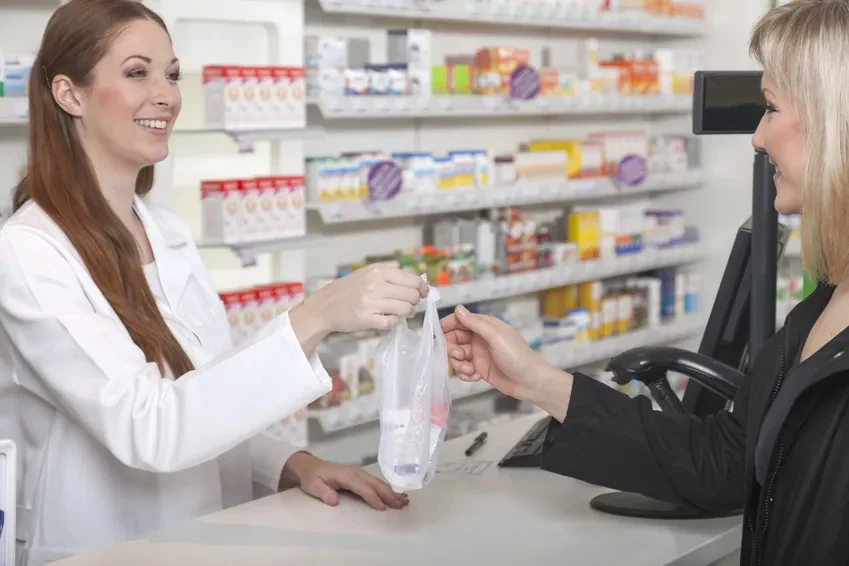
Most people think a pharmacy is just a shop that sells overpriced ibuprofen and some toothpaste. In Germany, if you walk into an Apotheke expecting to find rows of snack bars, cheap shampoo, or colorful candy dispensers, you are going to be very disappointed and very confused.
The German pharmacy system is a strictly regulated, highly specialized medical environment. It is not a convenience store. It is a clinical space where the primary objective is pharmaceutical care, not impulse purchases. If you are looking for a bag of chips to tide you over while you wait for your prescription, you are in the wrong place.
If you find yourself standing in front of a bright red “A” sign in a German city, you have reached the center of the country’s medical retail system. This is where the real medical work happens. You don’t just browse here; you consult, you present papers, and you engage with trained professionals who are legally bound to specific standards.
The Pharmacist is the Gatekeeper
You cannot just walk into any shop and demand a box of certain medications. In Germany, pharmacies are owned and operated by a pharmacist who has graduated from an accredited school of pharmacy. This isn’t a casual job or a retail position for someone with a general degree. It is a highly regulated profession.
This ownership structure changes the entire vibe of the shop. Because the person running the place is a highly trained medic, the “retail” aspect feels secondary. They aren’t trying to upsell you on a specific brand of vitamins just to meet a sales quota. Their priority is your clinical safety and ensuring that the drugs you take won’t interact badly with your current regimen.
In the United States, you might see a pharmacy counter tucked in the back of a massive supermarket, surrounded by magazines and soda. In Germany, the Apotheke is the destination. You go there specifically for medicine. It is a specialized medical outpost that exists solely to manage the distribution and advice regarding pharmaceuticals.
The legal requirements for these owners mean that the quality of advice is generally much higher than what you get in a standard big-box retailer. If you have a question about a dosage or a side effect, you aren’t talking to a clerk. You are talking to the person responsible for the legal integrity of every pill on those shelves.
What You Can Actually Buy Inside
If you are used to American drugstores, the inventory in a German Apotheke will feel strangely empty and incredibly specialized at the same time. You won’t find the “lifestyle” section that dominates US pharmacies. There is no massive aisle of laundry detergent or breakfast cereals here.
Instead, the shelves are packed with high-end cosmetics, specialized bandages, vitamins, and niche medical supplies. If you need a very specific type of medical tape for a wound or a particular brand of high-grade sunblock designed for sensitive skin, you will find it here. If you want a bag of pretzels, keep walking.
The actual medicine, however, is what matters. You can find things like immunizations, travel advice, and blood pressure monitoring services. German apothecaries have very little for sale that isn’t vitamins, specialized cosmetics, or bandages, which makes the shopping experience very efficient but perhaps a bit “clinical” for the uninitiated.
I remember being in a small shop in Munich looking for a simple antiseptic. I expected a massive selection of brands. Instead, I found three highly specialized options, each with very specific instructions on the packaging. It was intimidating at first, but once the pharmacist explained why the third one was better for my specific type of cut, I realized the value of the setup.
The inventory breakdown looks roughly like this:
| Category | What to expect | What NOT to expect |
|---|---|---|
| Prescription | Everything you need for chronic or acute issues. | Quick-grab convenience items. |
| Over-the-Counter | High-quality, often brand-specific meds. | Mass-market “junk” brands. |
| Health/Beauty | Specialized dermocosmetics and vitamins. | General toiletries like shampoo or soap. |
| Medical Supplies | Bandages, thermometers, blood pressure cuffs. | Household cleaning supplies. |
Navigating the Clock and the Rules
Timing is everything when you are dealing with a sudden fever or a midnight headache. Luckily, the German system is built to handle emergencies. Generally, pharmacies follow standard business hours, but they don’t just shut down when the sun goes down. Most are open on weekdays from 09:00 to 18:30, and on weekends from 09:00 to 13:00.
However, the real magic is in the Notdienst system. Pharmacies are required to operate on a rotation to ensure that there is always a pharmacy open somewhere, even on Sundays and public holidays. If your local shop is closed, look for the sign in the window; it will tell you which nearest pharmacy is on duty for the night. This ensures that you aren’t left stranded without medicine just because it’s a Sunday morning.
For those who prefer the convenience of a screen, there is an option to buy online. You might have heard people discussing the legitimacy of these services on forums like Reddit, and the consensus is generally that they are perfectly safe. If you use a reputable service like loewen-apotheke.com or other major platforms, you are getting genuine products delivered to your door.
The digital landscape has made it much easier to manage your health from your couch. You can order both prescription and over-the-counter items. Many people find that using established online pharmacies is a great way to get specific items that might be out of stock at their local neighborhood shop, provided you have the digital tools to manage your prescriptions properly.
A few things to keep in mind when shopping online or in person:
- Prescriptions: You need a valid German prescription (often a digital one now) to get regulated drugs.
- Cost: Prices for over-the-counter meds are regulated, but some specialized items can be pricey.
- Advice: You won’t get much face-to-face advice when ordering via a website, so use the local Apotheke for questions.
- Delivery: Online is great for staples, but not for immediate emergencies.
The Prescription Protocol
Walking into a German pharmacy with a piece of paper in your hand can feel a bit like presenting a secret document. The process is straightforward, but it is formal. The pharmacist will take your prescription, check it against their system, and then discuss the medication with you. They aren’t just handing you a bag; they are verifying the legality and the necessity of the transaction.
You might wonder if you can just get a prescription online. The answer is yes, but it follows a strict medical protocol. It isn’t as simple as a quick chat with a chatbot; there is a real medical verification process to ensure that the medication being prescribed is appropriate for your health history and that you aren’t just trying to bypass regulations.
One thing that caught me off guard when I first moved was the lack of “branded” variety for something as basic as ibuprofen. I wanted the bright orange bottle I grew up with, but the pharmacist offered me the generic, high-quality equivalent instead. It felt like they were trying to save me money, but really, they were just sticking to the most effective, standardized options available in the German market.
The system is designed to prevent errors. Because the pharmacists are so heavily involved in the chain of care, the likelihood of a mistake, like a wrong dose or a dangerous drug interaction, is significantly lower than in a system where a clerk is just pulling boxes off a shelf. It is a clinical, efficient, and highly reliable way to manage your health.
It’s a bit more work than a supermarket trip, but you’ll be glad you did it when you actually need the right medicine.