
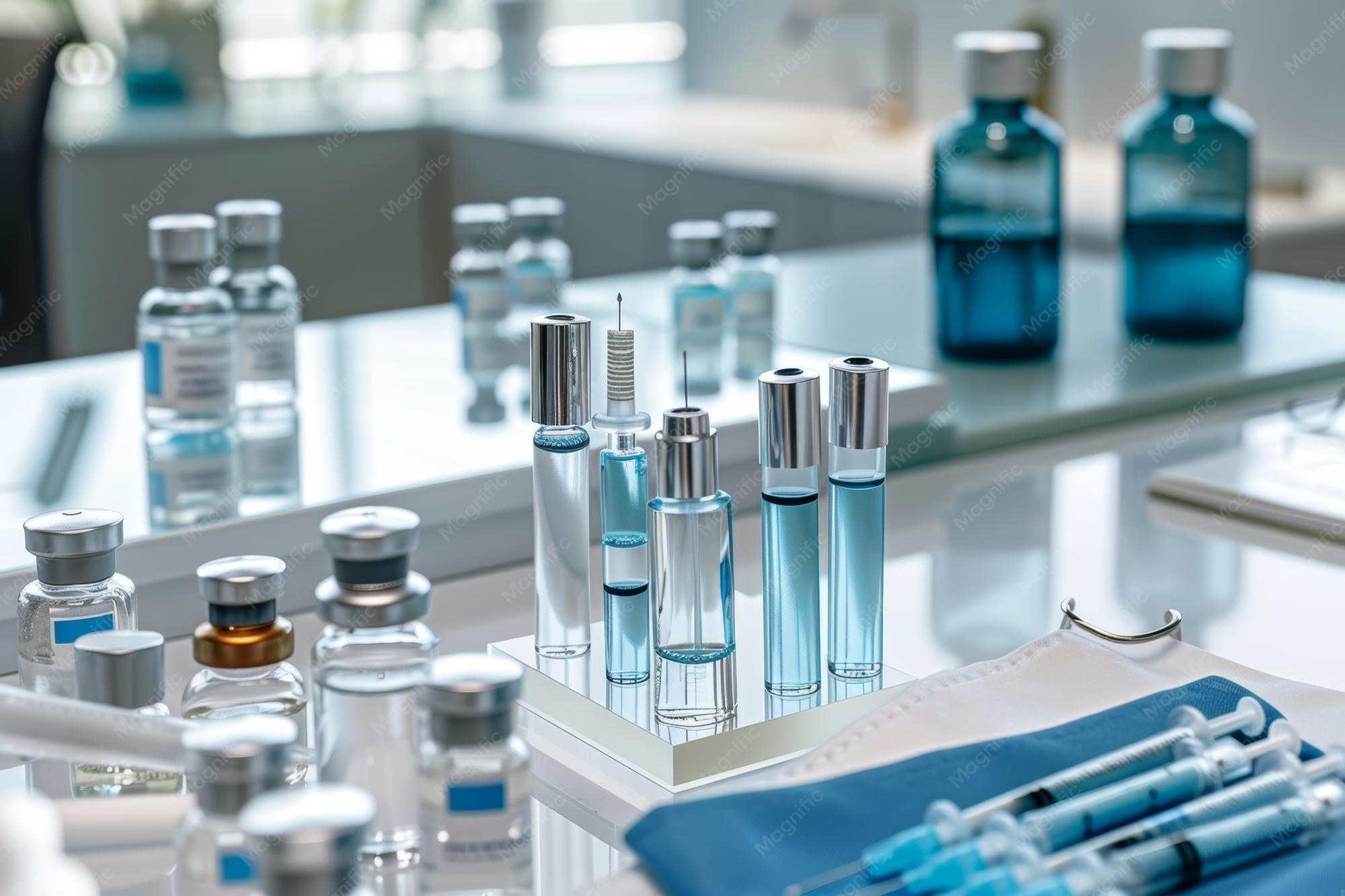
Ninety percent of patients walk into a clinic expecting a miracle, but most actually just want to look like they slept eight hours when they actually only got five. This gap between expectation and biological reality is where the cosmetic industry lives. Whether you are a patient looking for a subtle lift or a practitioner building out a medical spa, the mechanics of injectables are far more complicated than a simple needle prick.
We see it all the time in the industry. People focus on the “glow” or the “smoothness,” but they completely ignore the supply chain. They don’t realize that the syringe, the vial, and the temperature of the room where the product sits all dictate whether you get a beautiful result or a bruised, lumpy mess. If you are paying for premium results, you cannot accept sub-premium logistics.
It is a messy, highly regulated, and often confusing market. There is a massive difference between a licensed medical professional using Thaimedspa Botox-Filler and a shady basement operation. The distinction is everything.
What are aesthetic medical devices?
Aesthetic medical devices are the hardware used to deliver treatments like lasers, light-based therapies, or the fine needles used for neurotoxins and dermal fillers. These aren’t consumer toys. They are regulated tools designed for specific clinical outcomes. If a device isn’t cleared by the relevant health authorities, it shouldn’t be touching human skin.
When we talk about these devices, we are talking about precision. A laser that is slightly out of calibration can cause a thermal burn. A needle that isn’t sterile is a direct ticket to an infection. Most people think “device” means a big machine, but in a medspa, the most important device is often the smallest one: the syringe.
The distinction between a medical-grade device and a “beauty tool” is a matter of regulation and intent. A professional device is designed for internal or deep-tissue application, whereas consumer tools are meant for the surface. You cannot swap one for the other without asking for trouble. If a clinic is using non-medical grade equipment to save a few dollars, walk out the door immediately.
The hardware is only as good as the person operating it. You can have a $50,000 laser, but if the technician hasn’t mastered the settings for different skin types, that machine is just an expensive paperweight. We have seen it happen. The technology is the foundation, but the operator is the architect.
What is used in dermal fillers?
Dermal fillers are primarily composed of hyaluronic acid (HA), which is a substance naturally found in your body. The goal of a filler is to add volume to areas that have lost it due to aging, such as the cheeks, jawline, or lips. Because HA is naturally occurring, the body generally accepts it well, which is why it has become the gold standard for non-surgical rejuvenation.
Not all HA is created equal. The “cross-linking” of the molecules determines how long the filler stays in your face and how much resistance it provides. If you want to lift a cheekbone, you need a high-density, highly cross-linked filler that can hold its shape against the tension of your facial muscles. If you want to plump your lips, you need something softer and more flowable.
The complexity of these substances is why sourcing matters so much. A provider needs to have access to high-quality, reliable distributors to ensure the product hasn’t degraded. Many clinics rely on large-scale distributors like Activa Derma to ensure they are getting authentic, medical-grade materials for their patients.
Beyond HA, some fillers use calcium hydroxylapatite, which is slightly more structural and lasts a bit longer. Then there is biostimulators, which work differently by prompting your body to produce its own collagen. It’s not just about “filling a hole”; it’s about understanding the anatomy of the face and the chemistry of what is being injected.
| Filler Type | Primary Component | Common Use Case | Duration |
|---|---|---|---|
| Hyaluronic Acid | HA (Natural) | Lips, fine lines, volume | 6, 18 months |
| Calcium Hydroxylapatite | Calcium crystals | Structural lifting | 12, 24 months |
| Biostimulators | Poly-L-lactic acid | Skin tightening/Collagen | Up to 2 years |
How can I find reliable aesthetic supplies?
Reliable supplies are found through licensed, verified wholesale distributors that specialize in the medical field. You shouldn’t be buying your clinical stock from a general marketplace or a random website. The supply chain for medical products is strictly controlled to prevent counterfeits from entering the market. If a price seems too good to be true, it almost certainly is.
For a clinic to run safely, they need more than just the filler itself. They need the sterile syringes, the numbing creams, the lidocaine, and the specialized tools required for safe administration. This is why professional practices use dedicated medical wholesalers rather than retail outlets. (It’s a bit like the difference between buying a bandage at a grocery store and buying surgical-grade supplies from a hospital distributor.)
A professional supply chain ensures that everything, from the smallest syringe to the most expensive peptide, is handled under strict protocols. This includes temperature control during shipping and verified batch numbers for tracking. If a product is compromised by heat during transit, its efficacy drops, and the results for the patient are ruined. This is why we emphasize the importance of professional-grade logistics.
If you are running a business, you need to look at companies that serve the specific needs of medical spas. For instance, DeWitt Pharma acts as a licensed wholesale distributor for verified practices, ensuring that the products used are both FDA-approved and legitimate. This level of vetting is non-negotiable for any serious provider.
What are the side effects of cosmetic facial injectables?
Cosmetic facial injectables are a minimally-invasive, non-surgical, and effective treatment for wrinkle correction and facial rejuvenation, but they are not without risk. The most common side effects are bruising, swelling, and redness at the injection site. These are usually temporary and resolve within a week or two, but they can be bothersome.
Serious complications, though rare, can include vascular occlusion, this is when the product is accidentally injected into a blood vessel, blocking blood flow. This is a medical emergency that can lead to tissue death or even blindness. This is the primary reason why you must only visit qualified, medical professionals who understand facial anatomy. A person who isn’t trained to recognize these signs is a liability to your health.
Other potential issues include asymmetry (where one side looks different from the other) or the formation of lumps if the product is placed too superficially. Some people also experience a “frozen” look if too much neurotoxin is used, which makes facial expressions look unnatural. The key to avoiding these is not just the product, but the technique and the clinician’s eye.
Do you want a result that looks like you, just refreshed, or do you want to look like a wax figure? The difference lies in the skill of the person holding the needle. A good provider knows when to say “no” to a patient who wants too much, because over-injecting is the fastest way to lose a client’s trust and ruin a face.
Where can I buy medical grade skin care products?
Medical-grade skincare is not something you should be picking up in a drugstore aisle. These products contain higher concentrations of active ingredients like retinoids, Vitamin C, and acids that are designed to work in tandem with professional treatments. They are often sold through aesthetic clinics or authorized medical distributors rather than general retail.
The distinction here is about the “delivery system.” Medical-grade products are formulated to penetrate the skin barrier more effectively than over-the-counter options. If a doctor performs a chemical peel or a laser treatment, the skin is left sensitized and in need of specific, high-quality recovery products to prevent hyperpigmentation or irritation.
Buying these products through a professional channel ensures that you are getting the actual formulation intended for clinical use. The skincare market is flooded with “clinical-strength” labels that are purely marketing fluff. If you want real results, you need to follow the regimen your provider prescribes, which is usually sourced from reputable professional brands.
For the business side of things, ensuring you have a reliable source for all your clinic’s needs is vital. Whether it’s the dermal fillers or the post-procedure skincare, everything must come from a verified, licensed source to maintain your standing with regulatory bodies. This is the backbone of any successful, reputable medical spa.
Check the expiration dates and the seal on every single vial before you open it. Bavaria Pharma Distribution RO covers this in more detail.
FAQ
What is used in dermal fillers?
Dermal fillers typically consist of hyaluronic acid, a naturally occurring substance in the skin that adds volume and smooths wrinkles.
What are aesthetic medical devices?
Aesthetic medical devices are tools used in clinical settings, such as lasers or radiofrequency machines, to perform non-surgical cosmetic procedures.
Where can I buy medical grade skin care products?
Medical-grade skincare is best purchased through licensed dermatologists, plastic surgeons, or authorized medical spas to ensure potency and efficacy.
What are the top 10 aesthetics?
Popular aesthetic treatments include neurotoxins (Botox), dermal fillers, chemical peels, microneedling, laser resurfacing, lip fillers, cheek augmentation, tear trough repair, jawline contouring, and skin boosters.
Are cosmetic injectables permanent?
Most cosmetic injectables, such as hyaluronic acid fillers, are temporary and require maintenance every 6 to 18 months.